0 → 1 Product
C2C Product
MY ROLE
Product Designer (research, strategy, and UI design)
DURATION
34 weeks
TEAM
Solo Designer
Peer feedback at milestones
BACKGROUND
A parking problem I could not ignore
The idea for UrbanPark came from repeatedly noticing a mismatch. Drivers struggled to find parking while many residential driveways and garages sat unused. This question stayed with me from earlier academic work and resurfaced during my graduate studies when I observed this problem again during a trip and later through conversations with homeowners. What started as curiosity slowly became a focused problem around trust, safety, and unused private space.
THE PROCESS
How I approached research
Starting with broad conversations
I began this project by talking to both renters and homeowners to understand the parking problem from both sides. I initially believed the issue was simply a lack of parking spaces in cities. Renters confirmed this by sharing how stressful it is to circle neighborhoods, worry about tickets, and fear damage or theft.
At the same time, I spoke to homeowners who had unused driveways or garages. While many were open to the idea of renting their space, most of them had never actually done it. Their feedback was hypothetical and based on assumptions, not lived experience. This made me realize that although their opinions were useful, they were not the right users to deeply understand real problems.
This was my first major pivot.

Finding the right homeowners
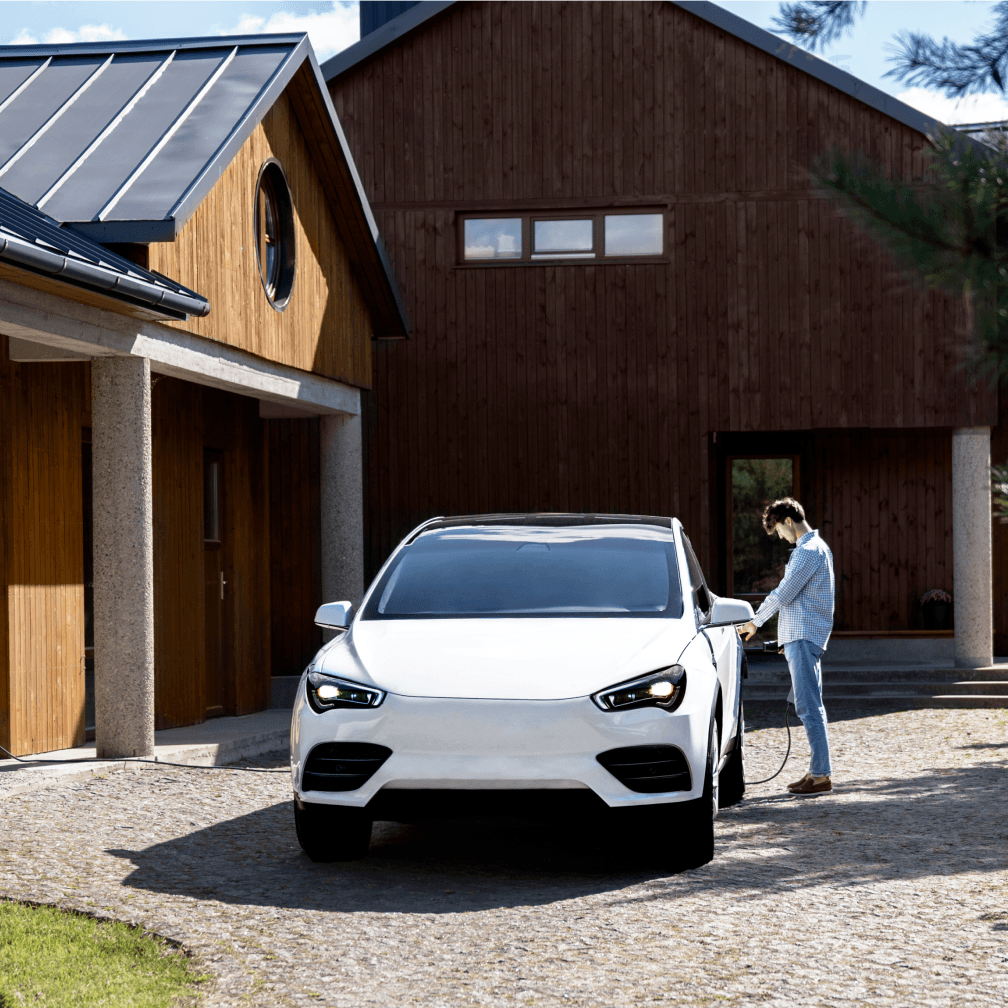
I decided to focus only on homeowners who had actually rented out their driveways or garages. Finding them was difficult. I started with Google Forms shared through my network, but responses were slow and rarely relevant. I then moved to Facebook groups, Reddit threads, and neighborhood listings, where informal rentals were happening.
Eventually, I reached out directly to homeowners listing spaces on platforms like Neighbor and CurbFlip. Out of roughly 150 people contacted, 20 responded, and 8 homeowners met my criteria and agreed to in depth interviews.
These 8 interviews became the foundation of the project.
Capturing raw data carefully
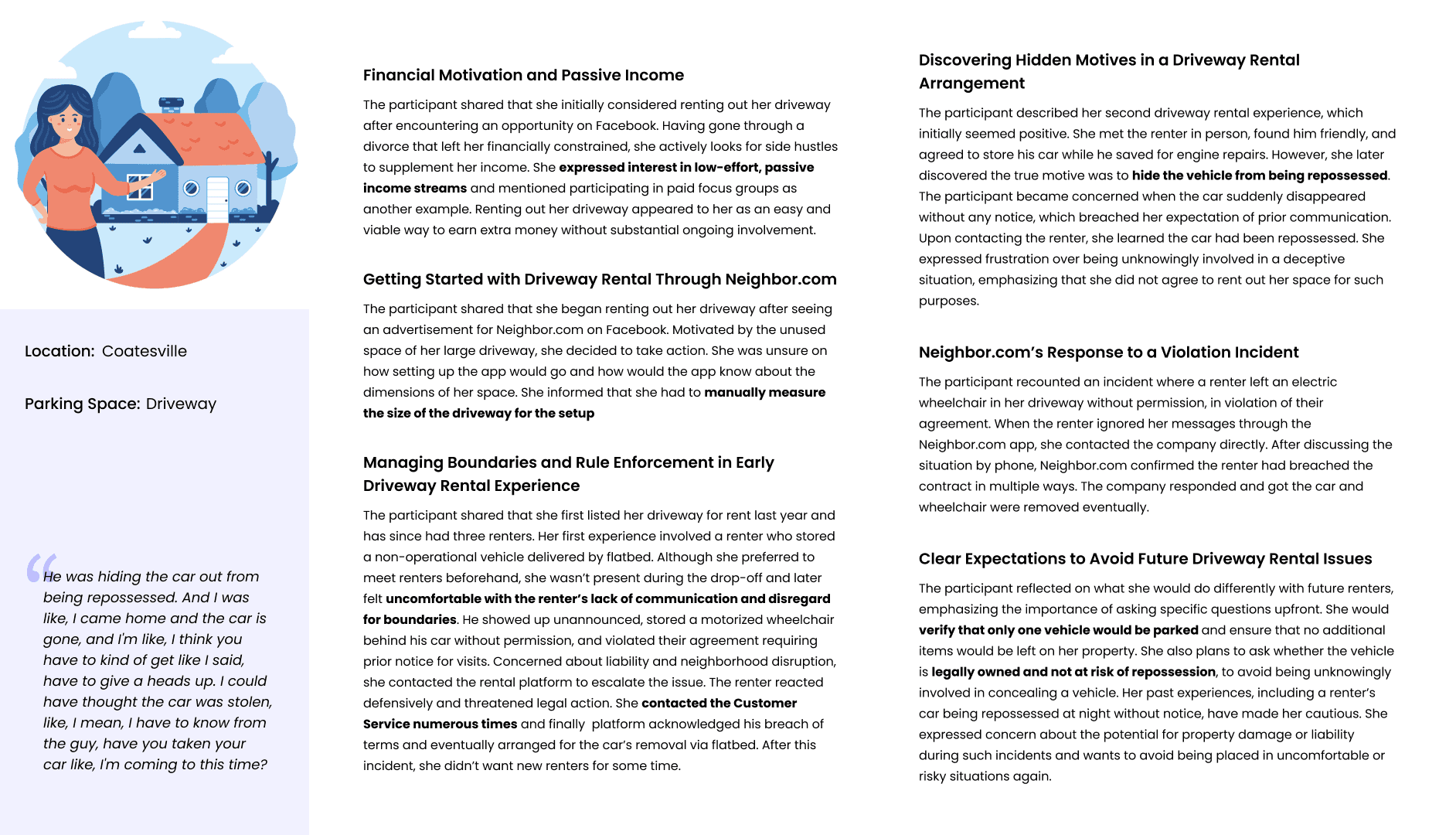
After each interview, I created detailed debriefs capturing key moments, emotions, behaviors, and quotes. I went back to recordings multiple times to make sure I did not miss context or tone.
I treated every story as valid data, even when it felt extreme, because homeowners repeatedly emphasized that rare incidents still shape how safe they feel renting again.
Synthesizing what I heard
Once all interviews were complete, I laid out transcripts, debriefs, and notes side by side. I highlighted repeated phrases, emotions, and situations across participants. This is where patterns started to emerge.
Mapping the homeowner journey
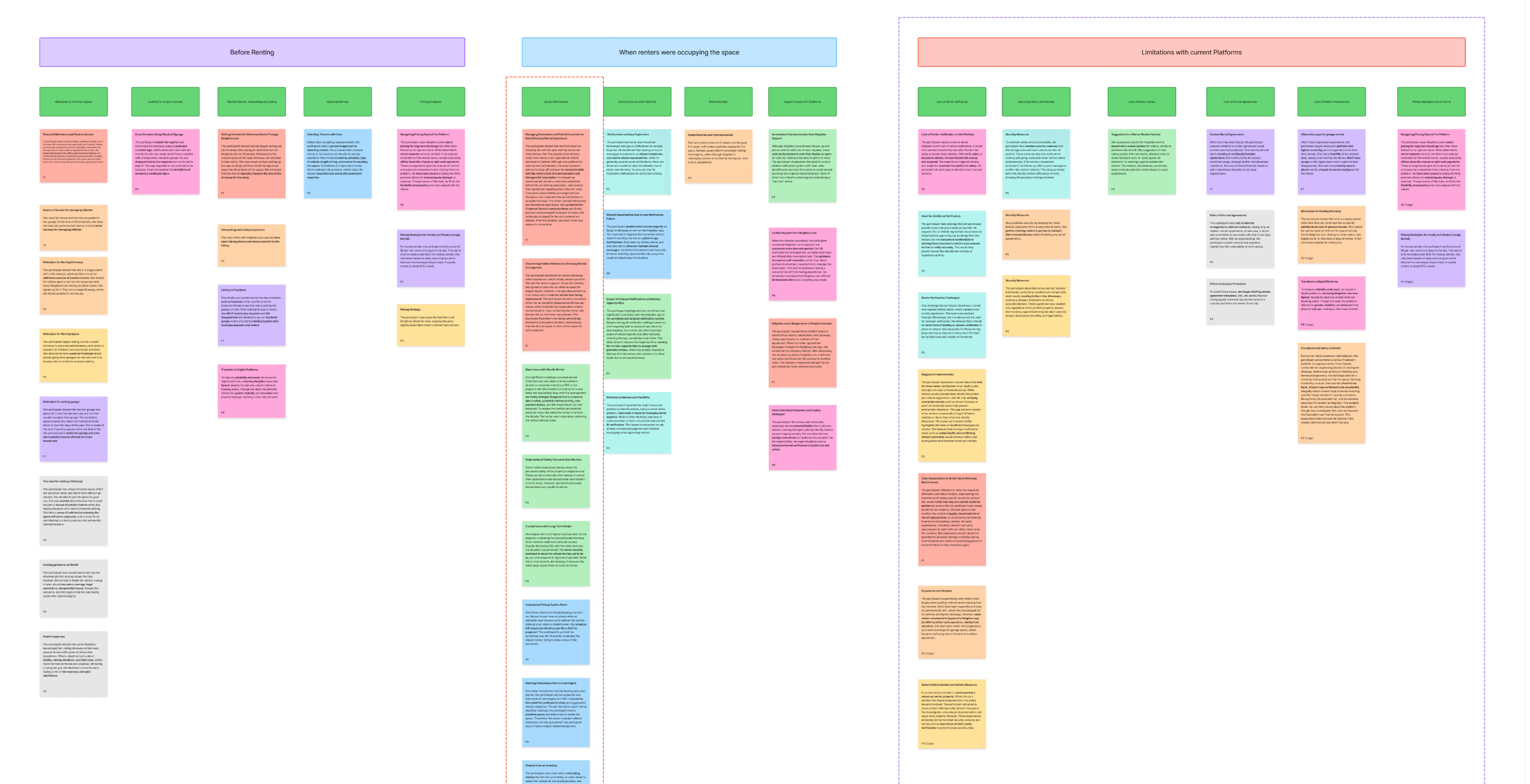
I created a homeowner journey starting from the moment they decide to rent their space, through listing, selecting renters, hosting, and resolving issues.
Digging deeper with 5 Whys
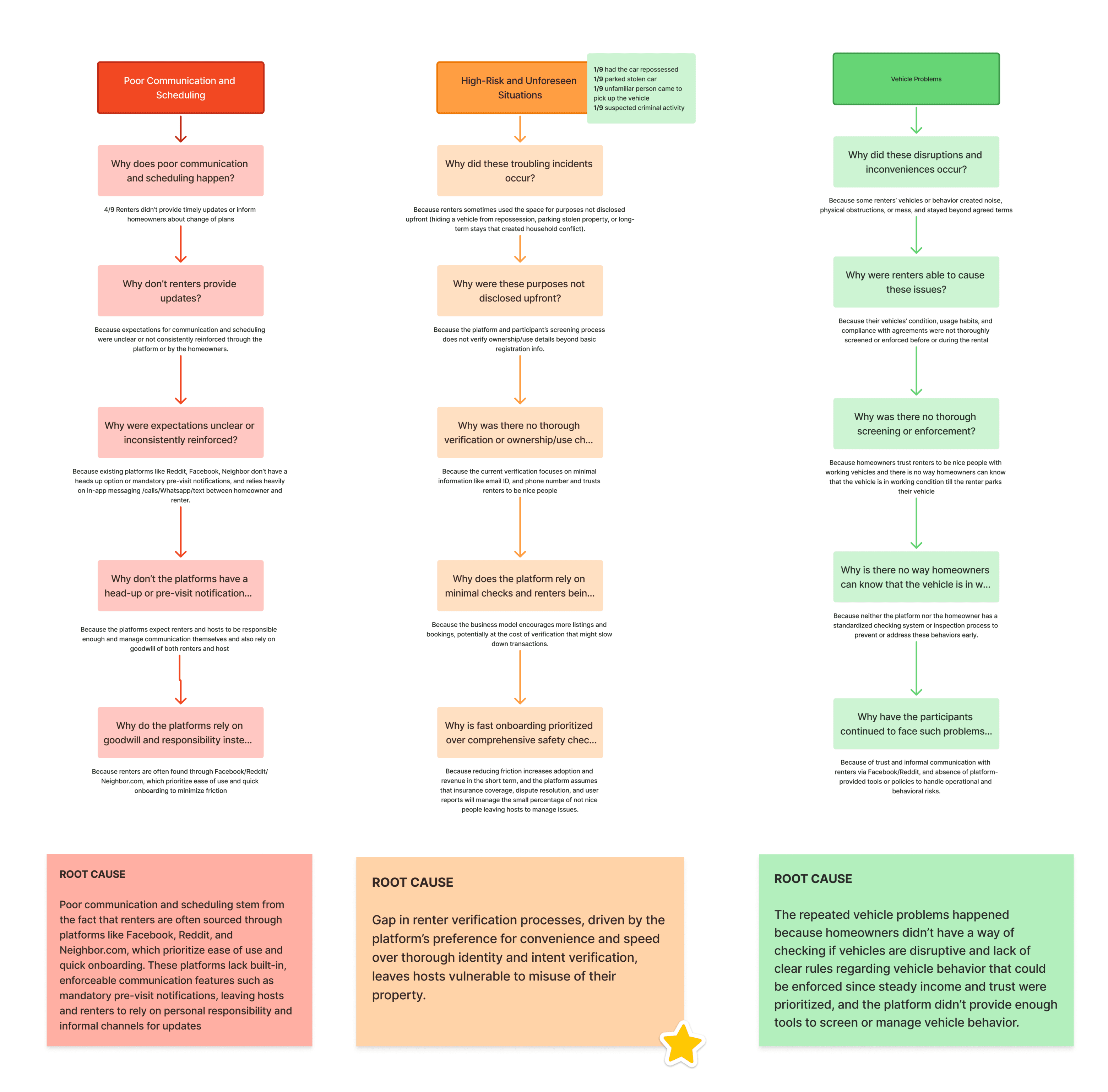
To avoid surface level conclusions, I used the 5 Whys method on major issues like poor communication, vehicle problems, and high risk incidents.
identifying the primary challenge
Lack of renter verification
Unreliable tech
Unpredictable renter behavior
Arriving at the core problem
All research paths eventually pointed to the same issue.
Homeowners want to earn passive income, but existing platforms fail to protect them. They are asked to trust strangers with no reliable way to verify who is parking on their property or what vehicle is being left there. When things go wrong, homeowners absorb the emotional, legal, and logistical burden.
This led directly to the final problem statement.
Final problem statement
Homeowners who rent out their driveways want to earn passive income without risking their safety, property, or peace of mind. However, current platforms lack renter and vehicle verification, reliable communication, and meaningful support, leaving homeowners exposed to fraud, high risk situations, and unpredictable renter behavior.
THE SOLUTION
tHE aUDIENCE
Homeowners (Primary)
Renter (Secondary)
Safety built into the experience
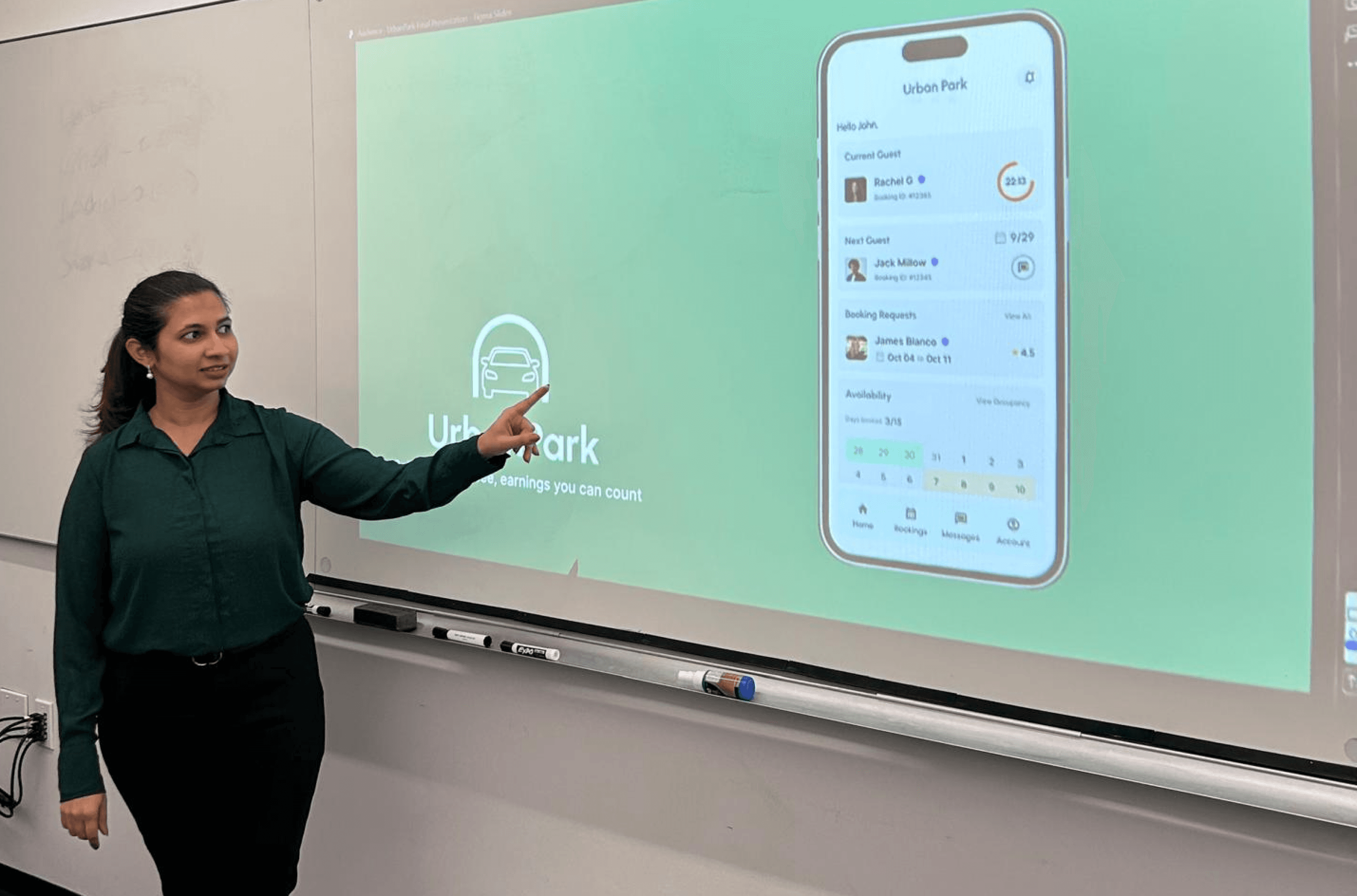
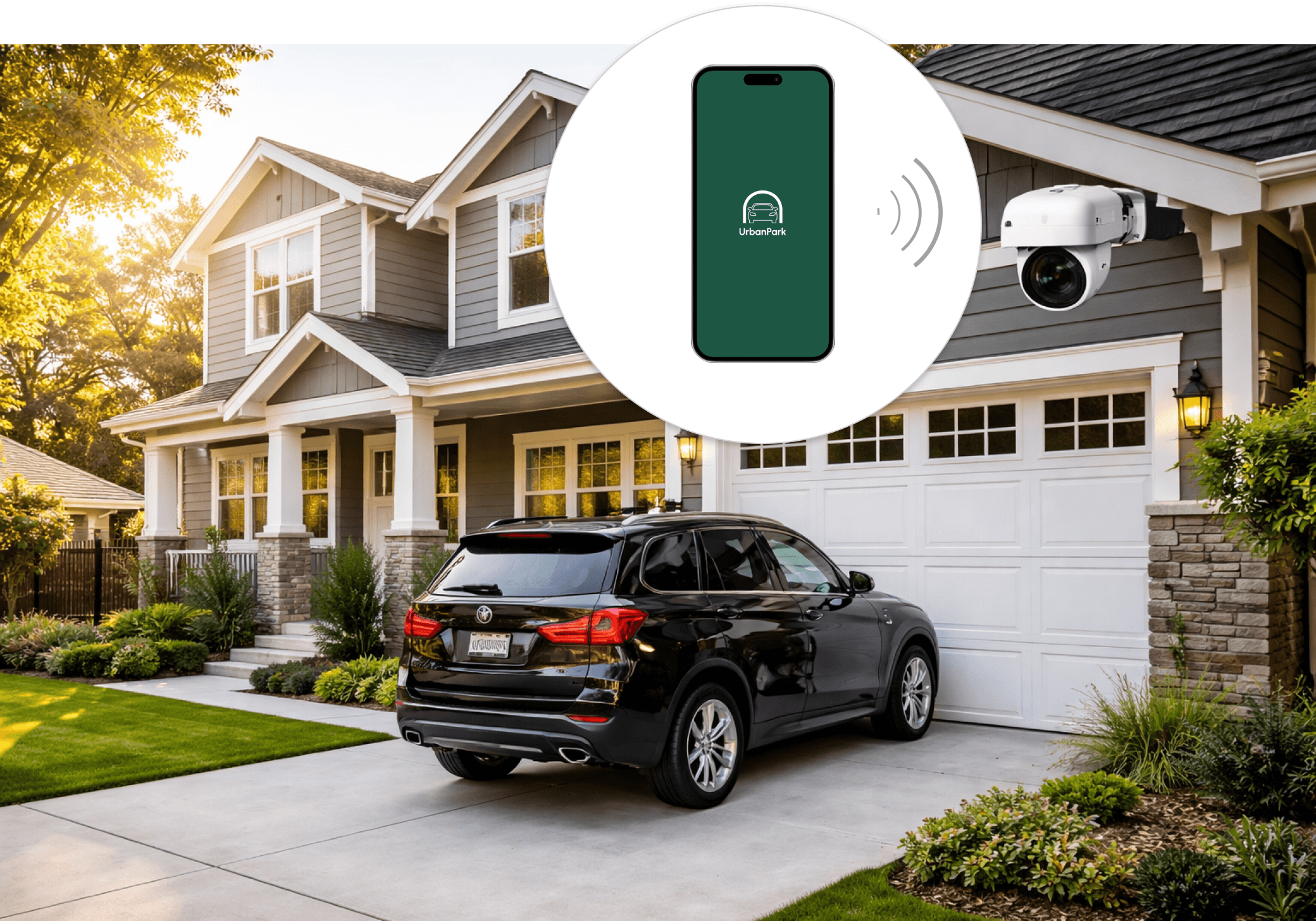
UrbanPark combines a mobile app with a connected home security camera to verify renters and vehicles before and during arrival.
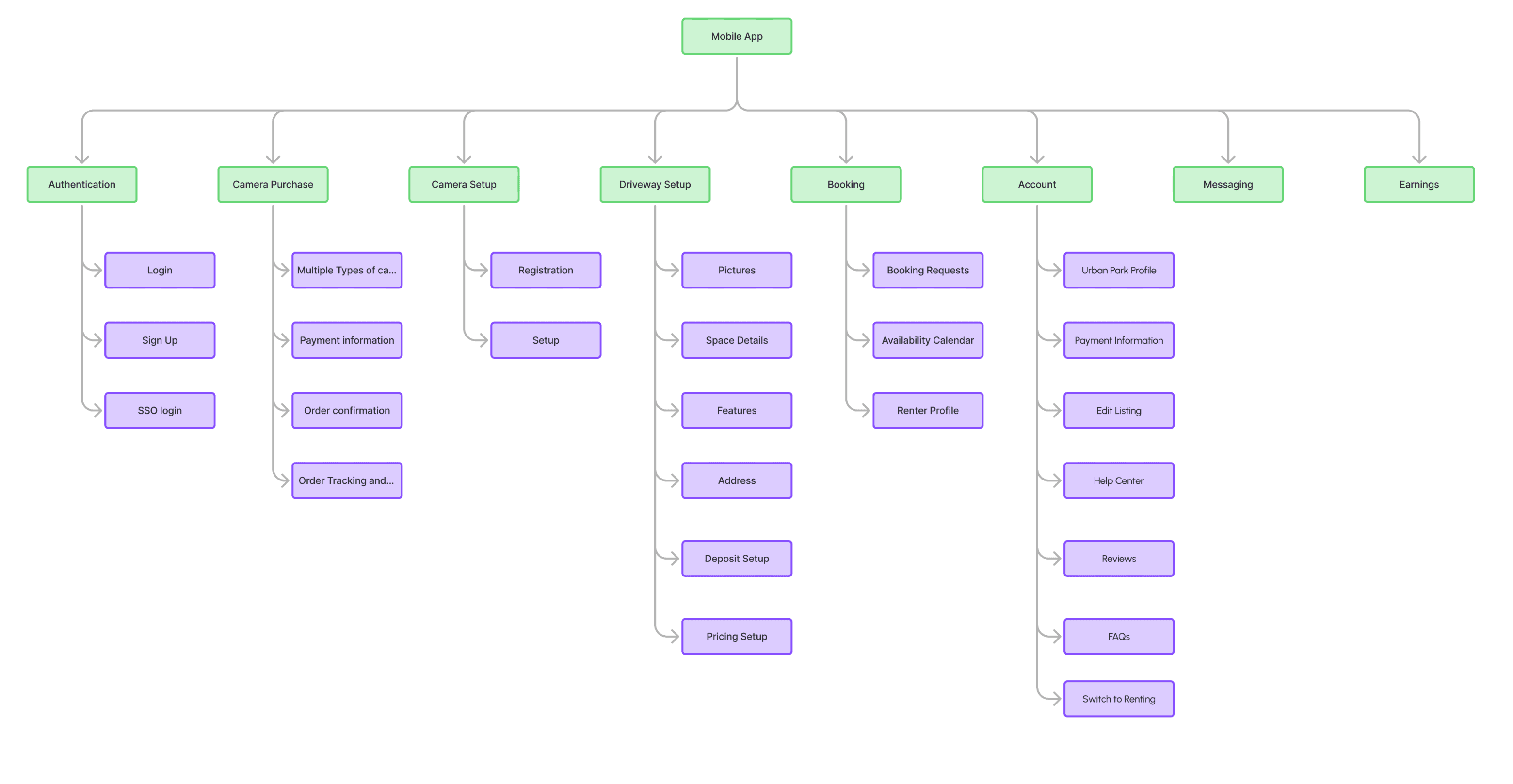
information architecture
Sitemap
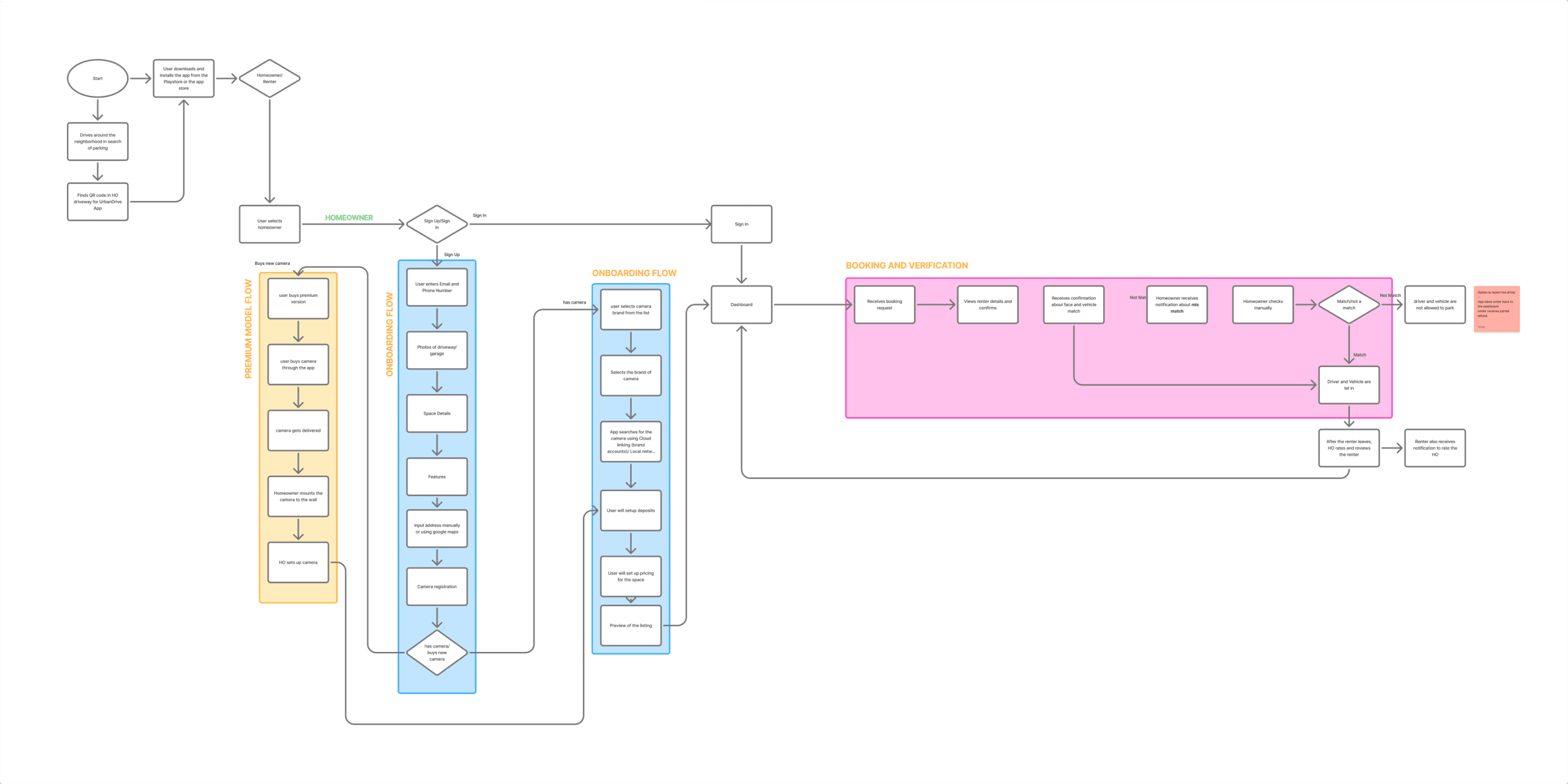
User Flow
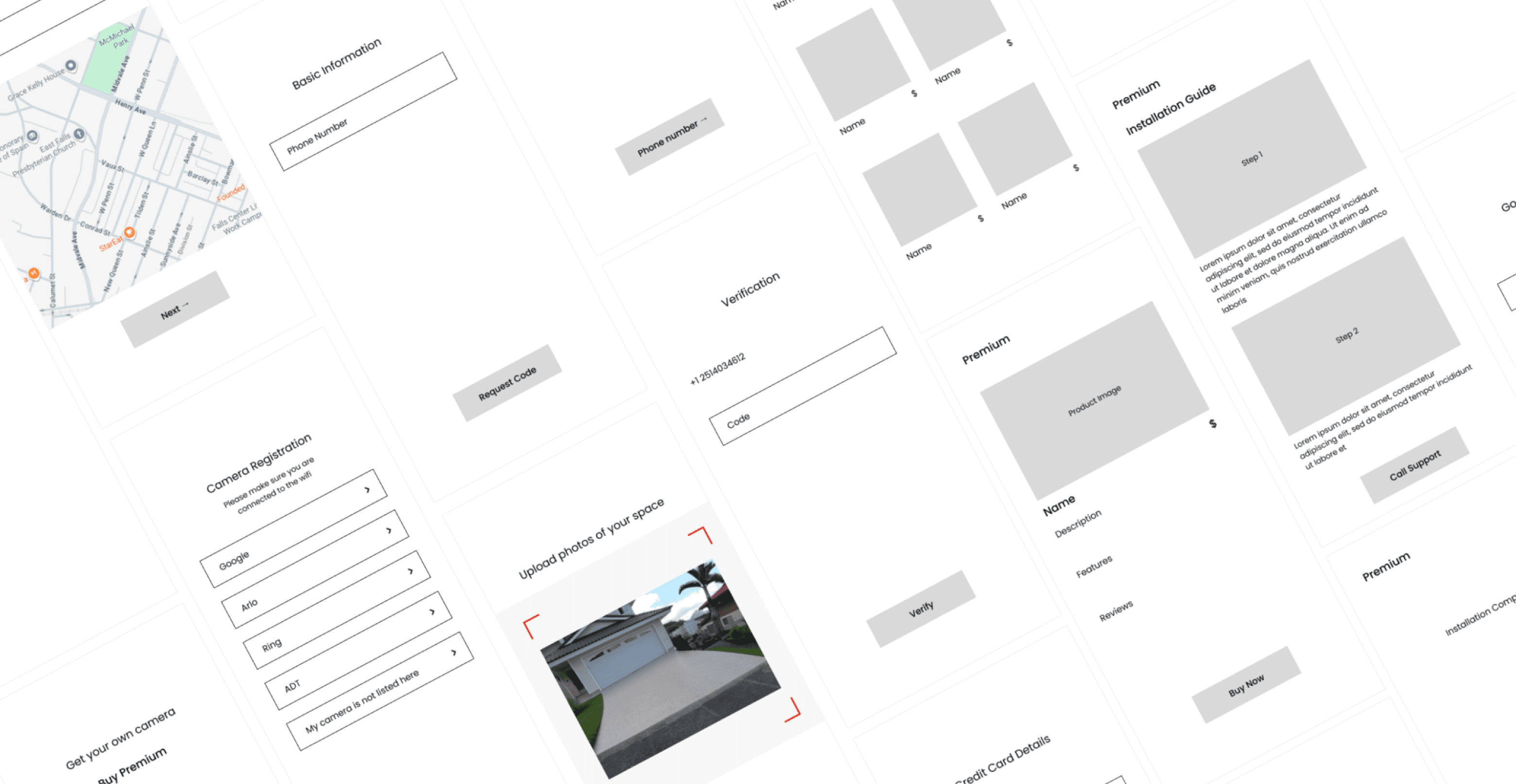
wireframes
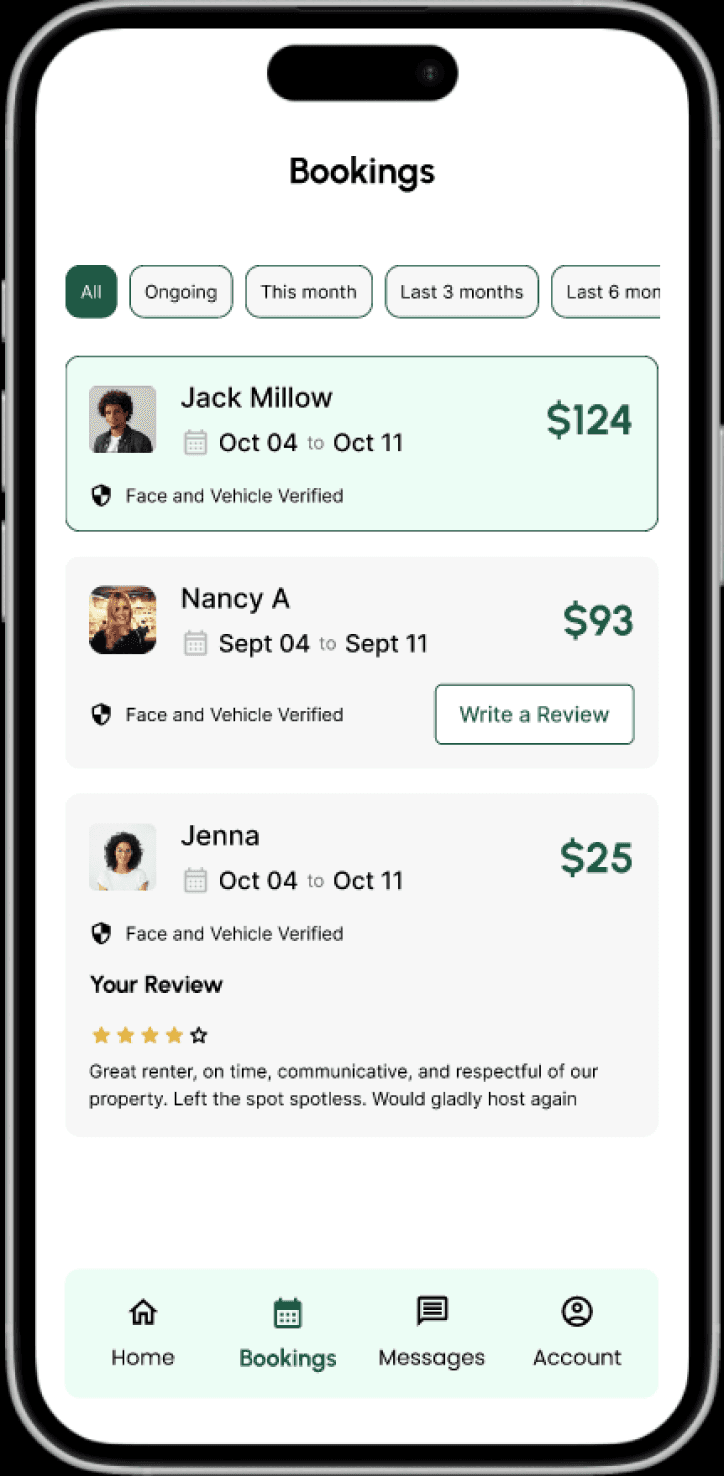
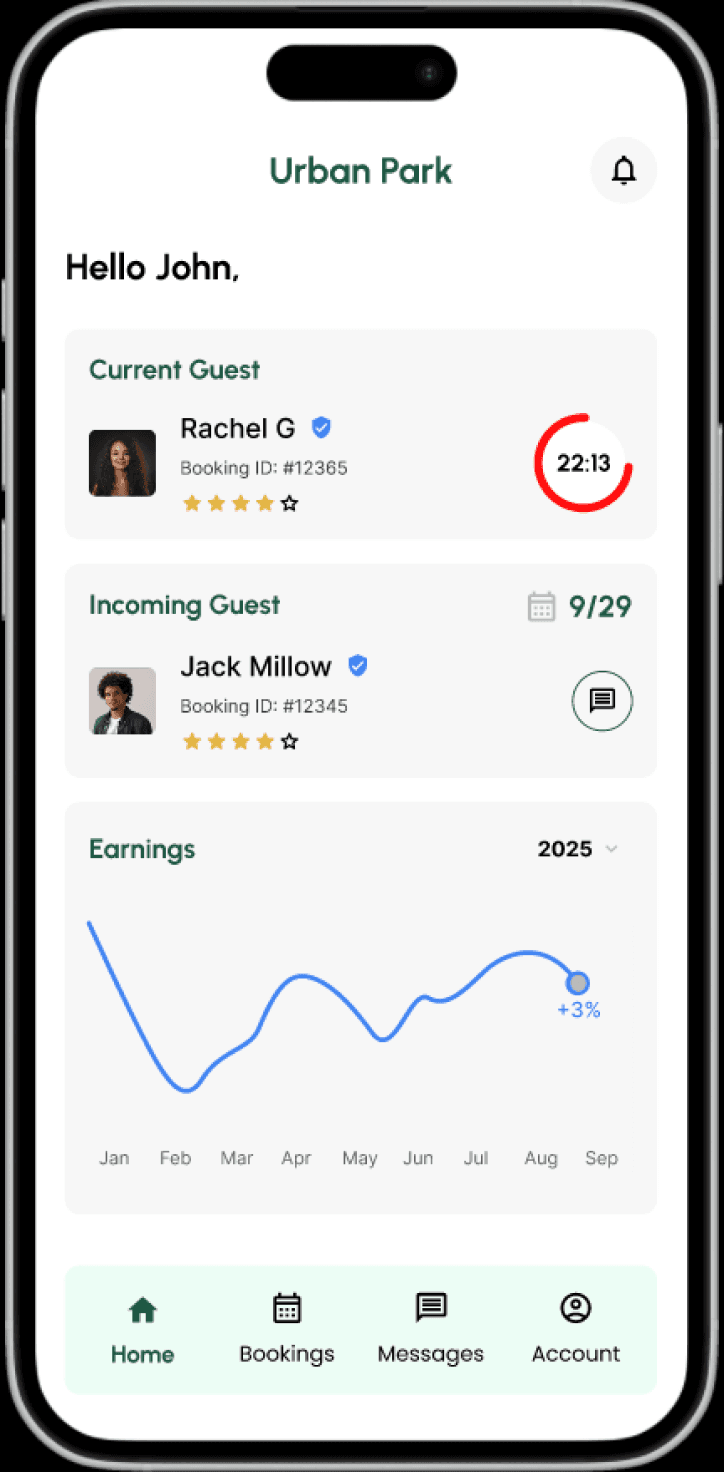
Wireframes were used to validate information hierarchy and flows before visual design. The focus was on visibility of renter details, booking status, and verification signals so homeowners never had to search for critical information.
branding and design system
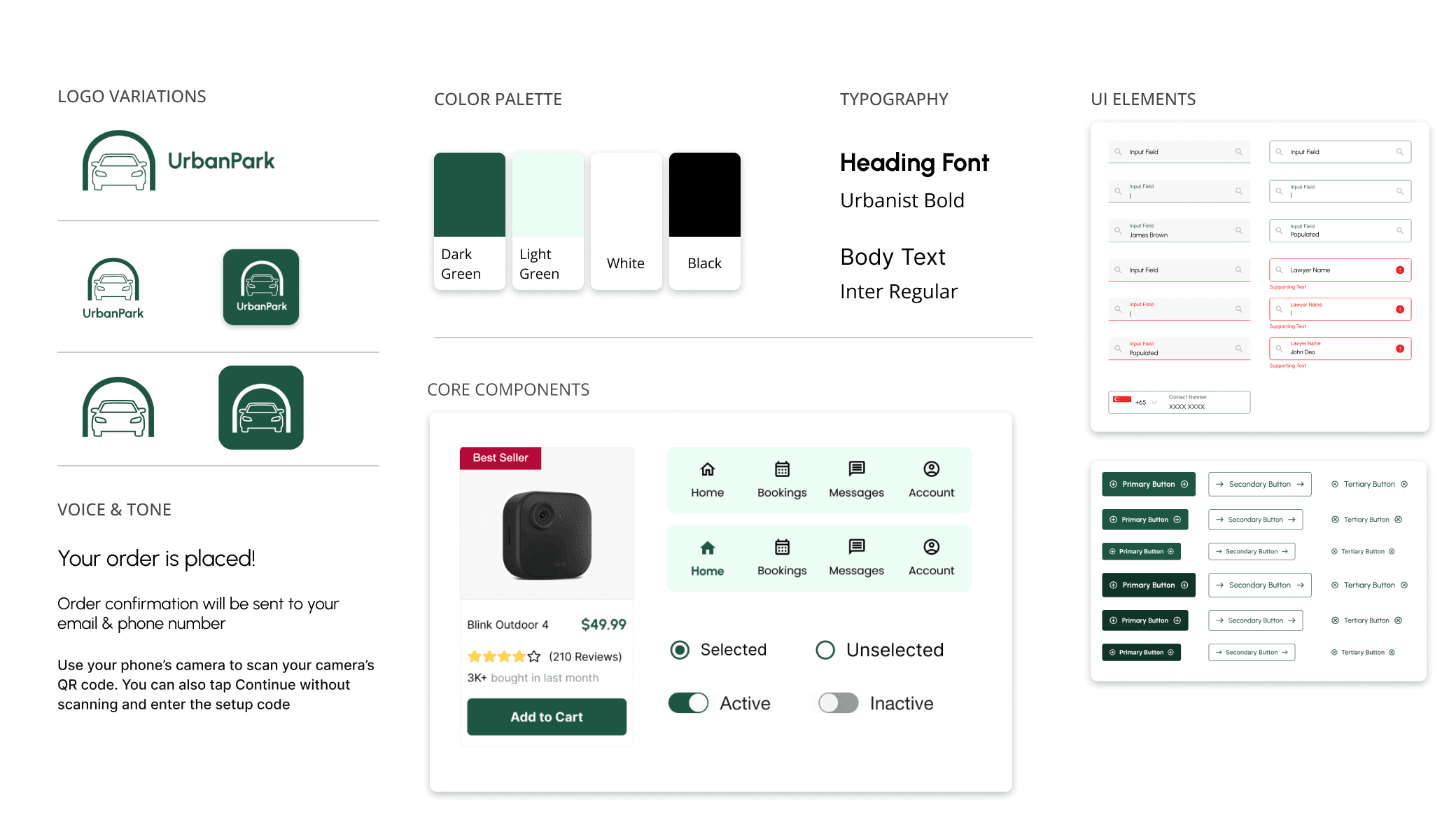
UrbanPark’s branding is built around trust, safety, and approachability. The green color palette represents security, reliability, and calm, helping homeowners feel confident sharing their personal space. The logo combines a car and a driveway arch to symbolize protected parking within a home environment. Rounded UI elements and friendly typography reinforce ease of use and reduce anxiety around renting
prototype
TESTING THE PRODUCT
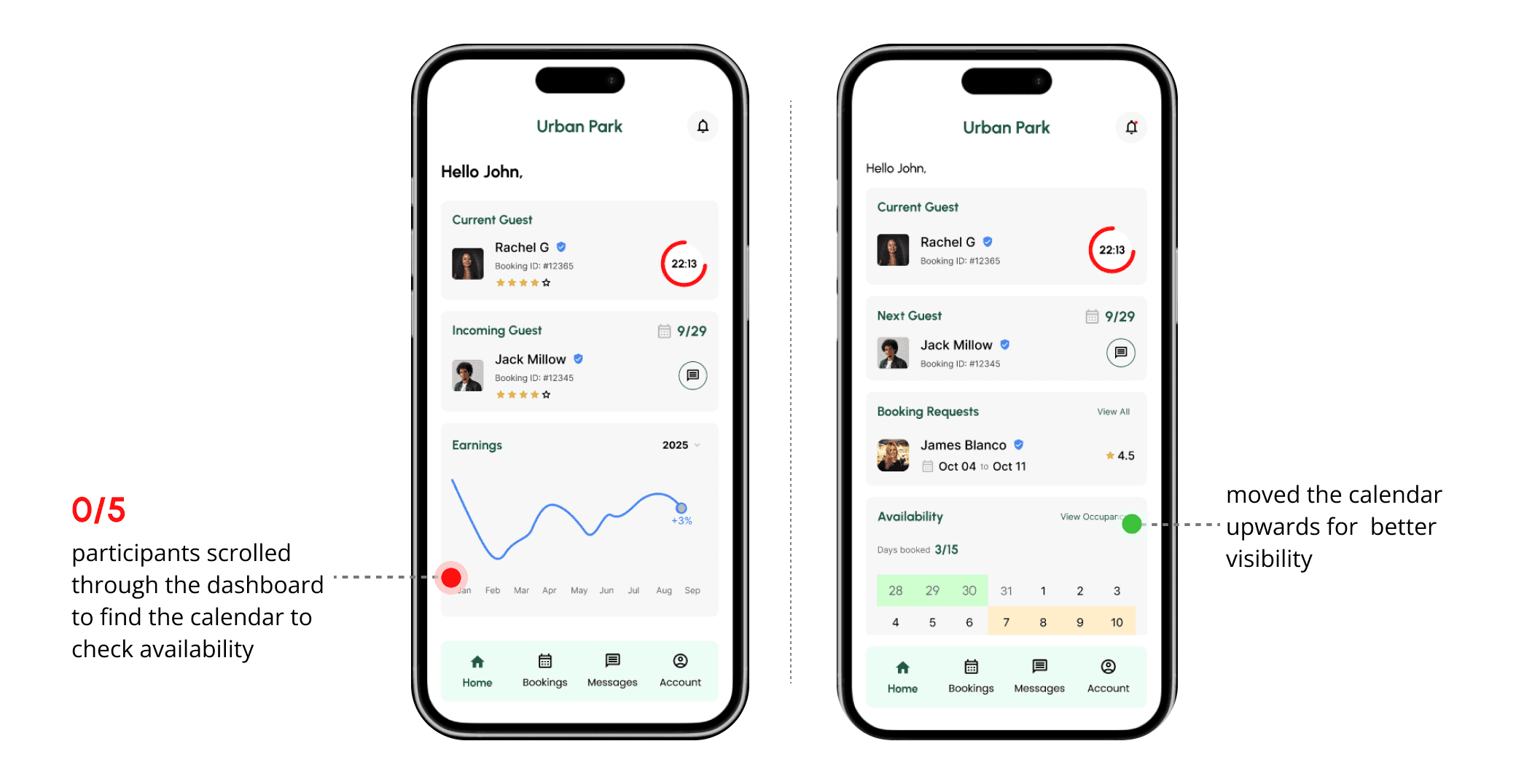
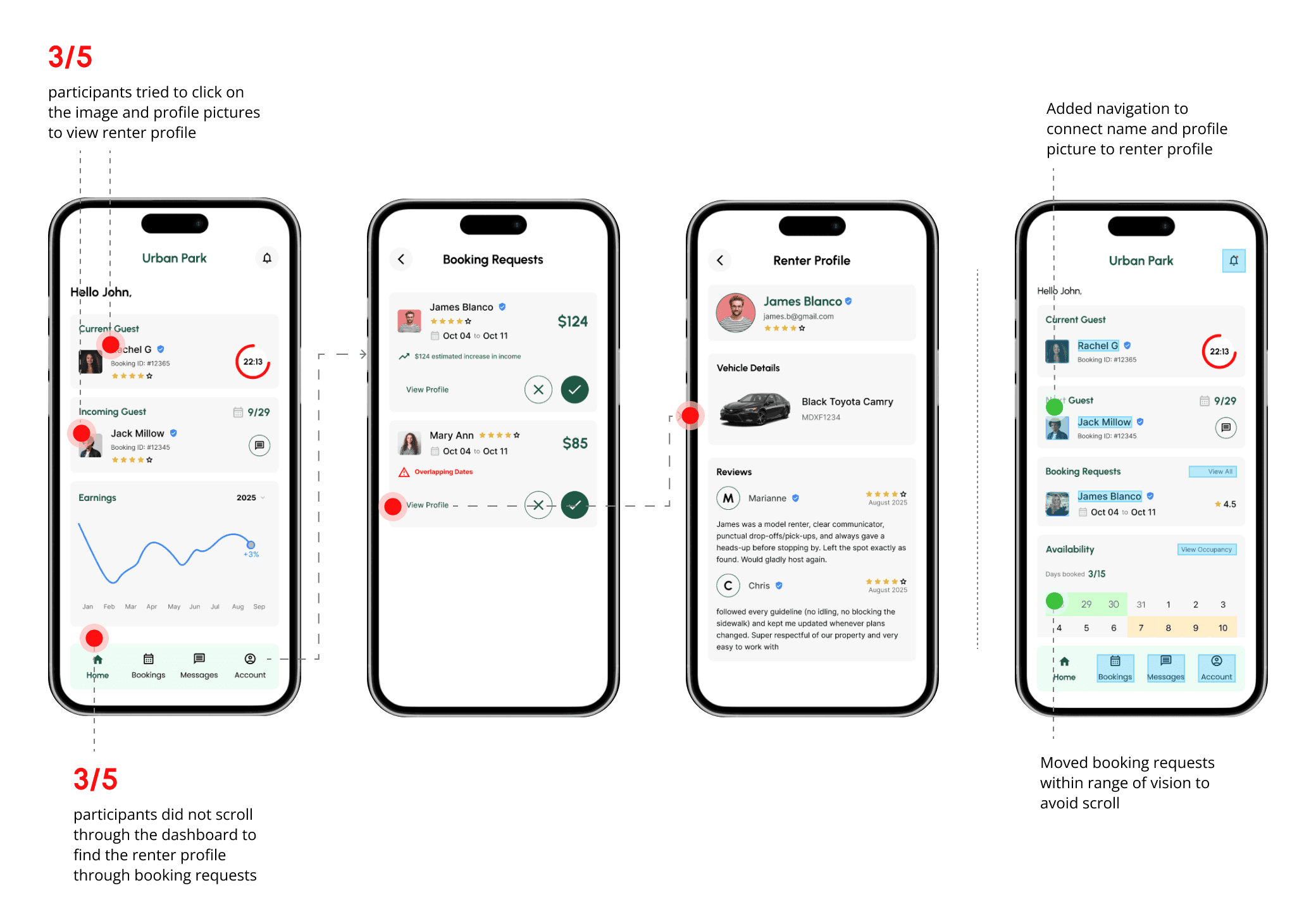
Usability testing was conducted with 5 homeowners who had prior experience renting out their driveways or garages. Participants walked through key flows such as listing a space, reviewing renter details, approving bookings, and understanding verification signals. The sessions helped uncover clarity issues around calendar visibility and renter information access. Insights from these tests directly informed layout refinements and improved information hierarchy to reduce homeowner anxiety
TESTING ASSUMPTIONS
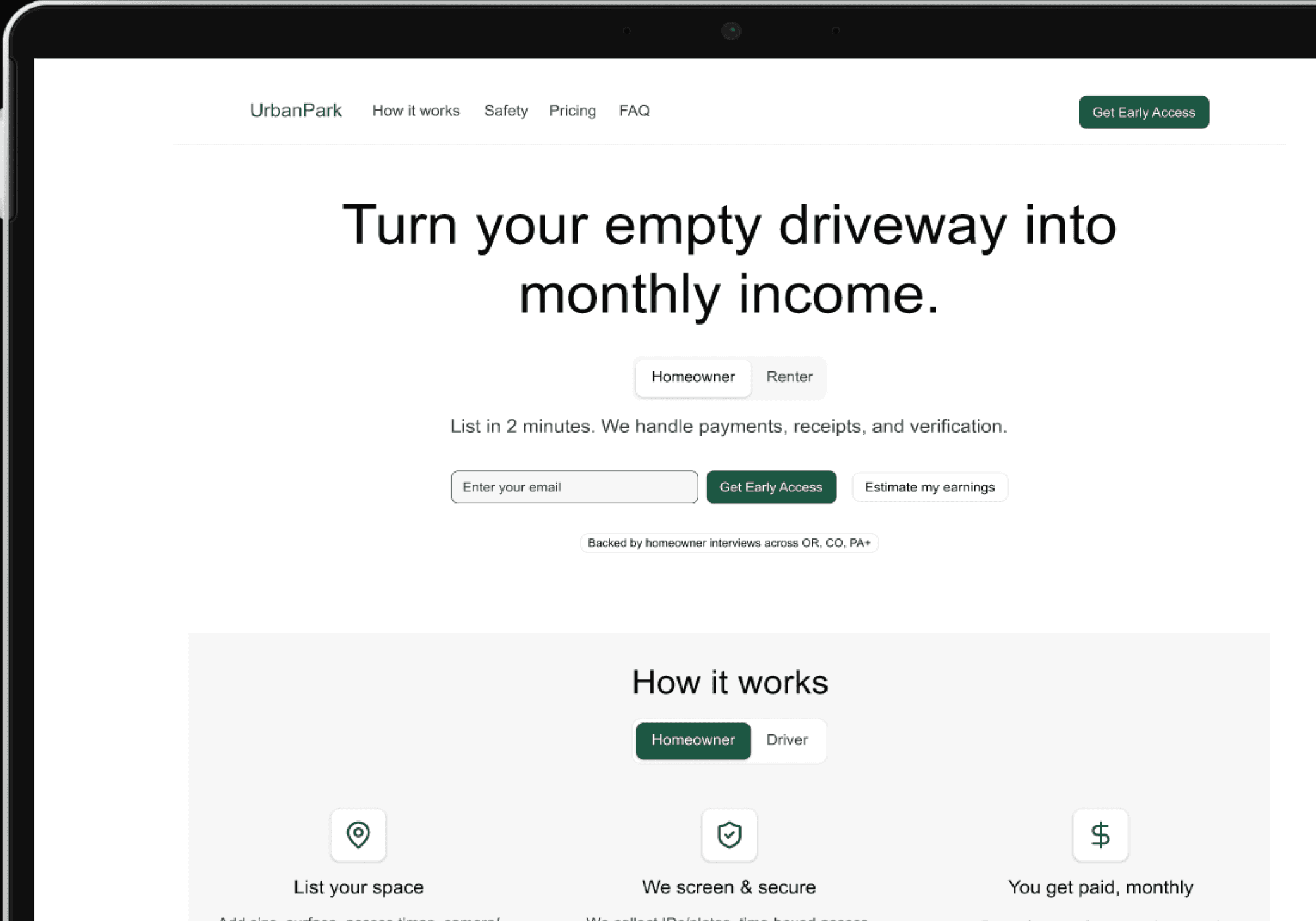
Fake Front Door
Homeowners want to actually use the product and are interested in it
10% of the users are expected to provide their email addresses and have some skin in the game
36%
55
Unique Visitors
15
Sign - Ups
Mechanical Turk
Will the homeowner place the camera in such a way that it (the camera) will be able to see the license plate and read it
For homeowners who rent out their driveways, we believe that they will position a home security camera “so it can see the renter’s car and plate,” they will choose locations and angles that capture a readable license plate in ≥80% of arrivals
2
license plate are visible under natural light.
1
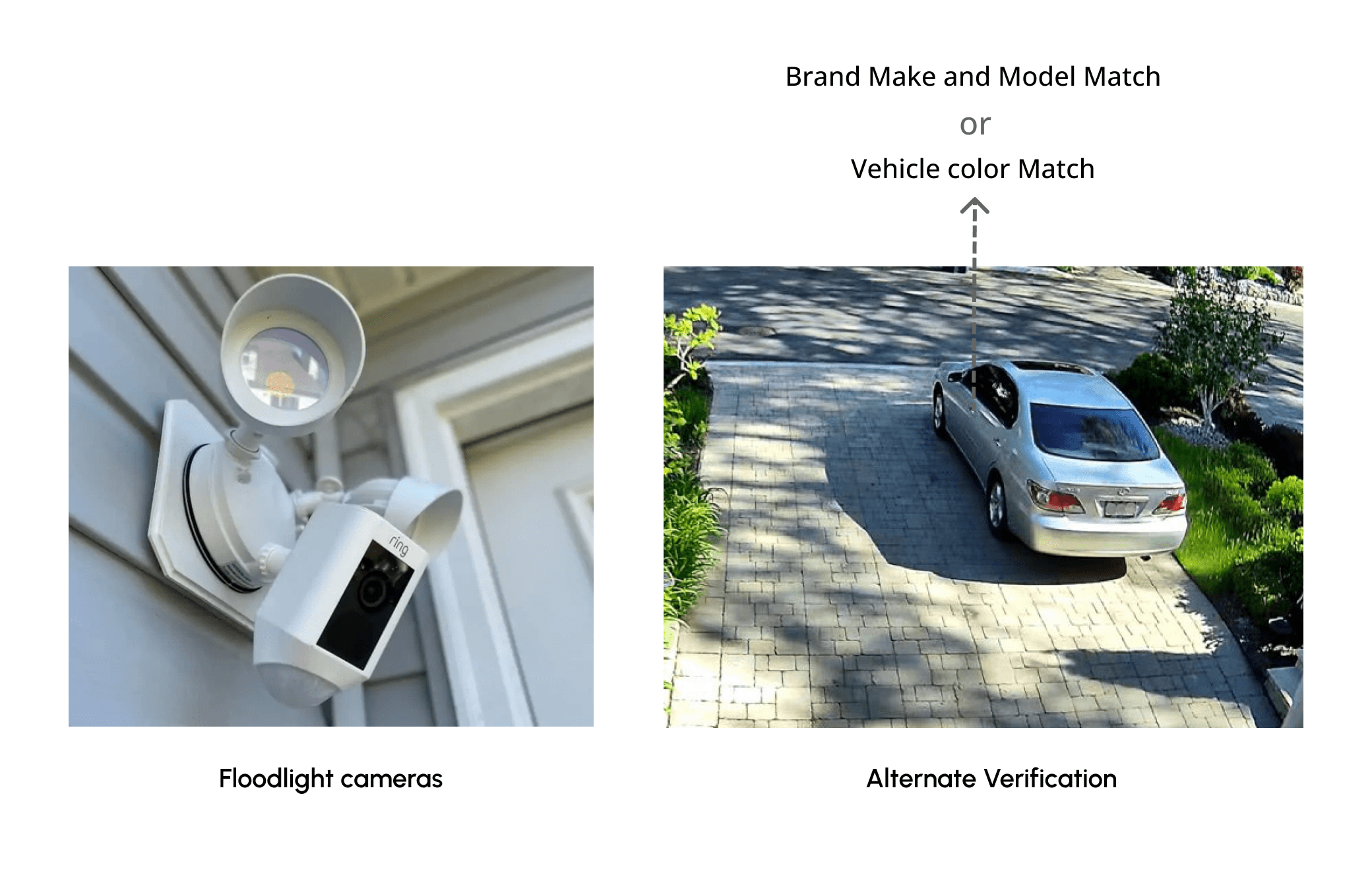
license plate is not visible in the dark
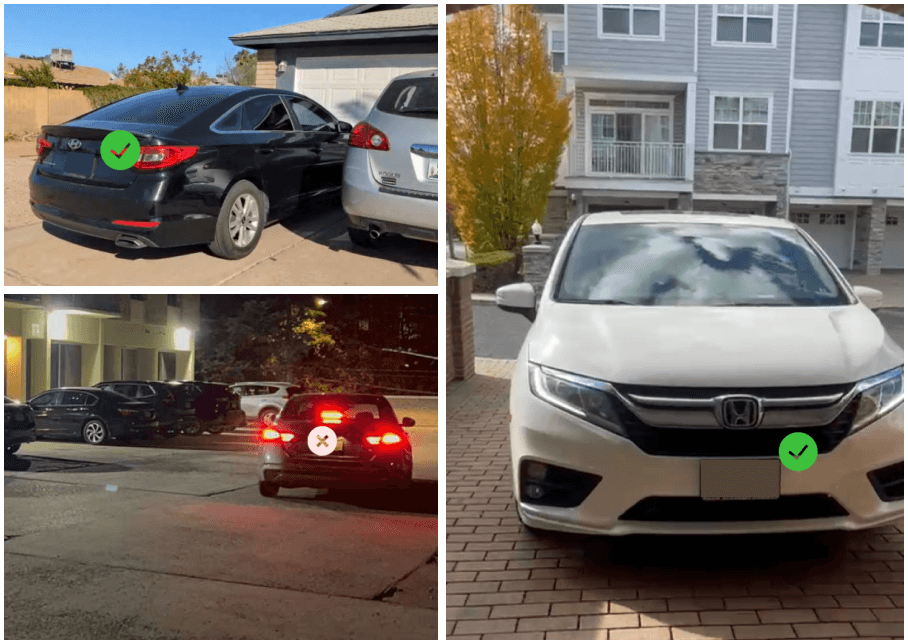
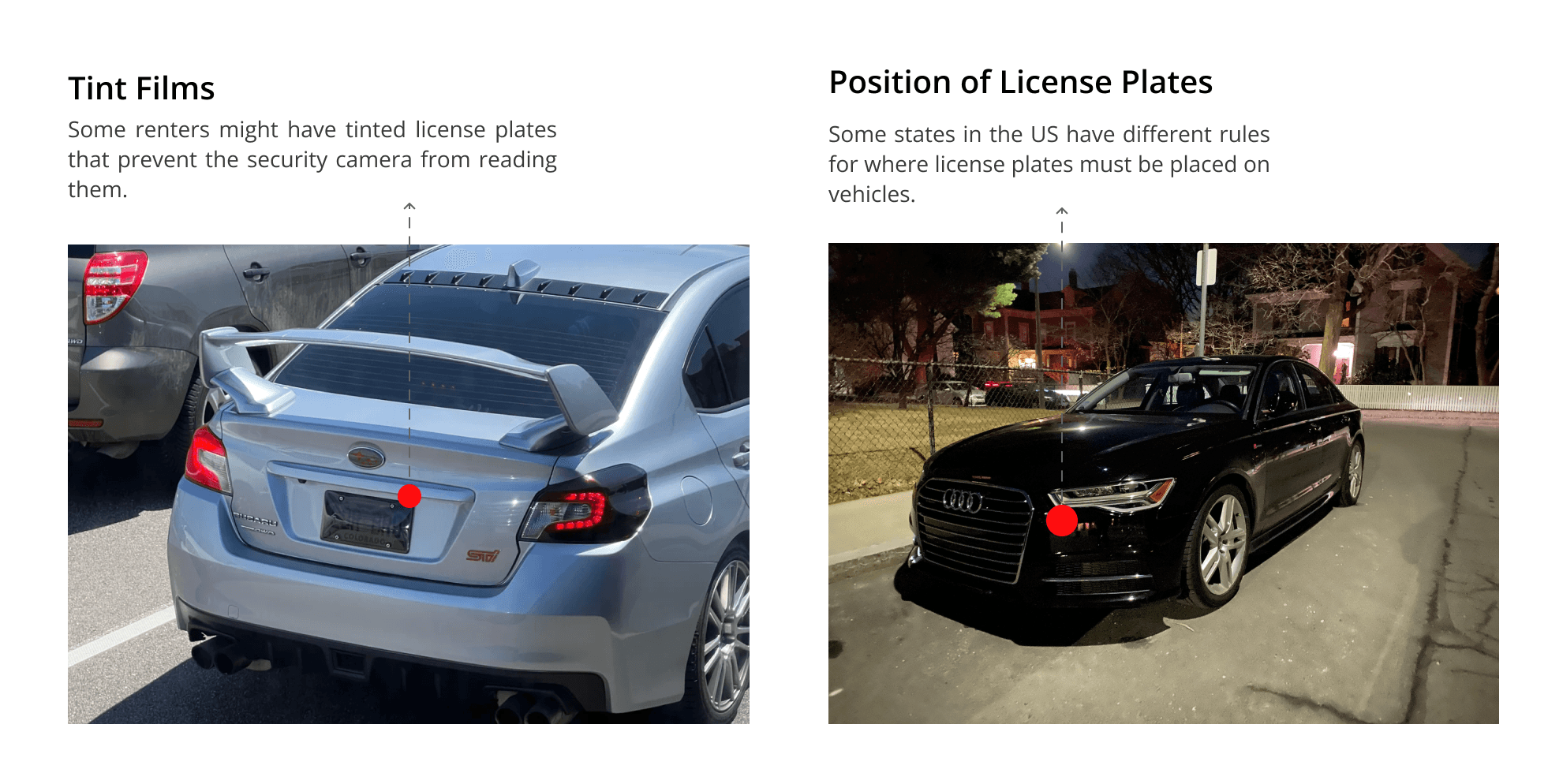
To prevent this, homeowners can use floodlight cameras or the app provides alternate ways of verification using car color or make and model match
success metrics
How I defined success early
To make sure UrbanPark was not just a good idea but a meaningful solution, I defined clear success metrics focused on safety, trust, and reliability, not just sign ups. Since the biggest homeowner pain points were fear, uncertainty, and lack of control, success needed to be measured through both behavior and perception.
I grouped these into performance metrics and experience metrics, tracked over time.
Performance success metrics
These metrics focus on whether the platform is functioning reliably and reducing risk.
In the first month, success meant seeing homeowners complete listings, connect cameras, and successfully approve bookings without issues. Over time, the goal was to reduce incidents and improve verification accuracy.
Key signals of success included:
15%
Reduction in identity, ownership, or intent-related incidents after verification is added
20%
Increase in flagged or blocked bookings where renter ID or plate/VIN does not match
30%
Reduction in disputes or law-enforcement escalations stemming from unverifiable renters
Experience success metrics
Because this product solves an emotional problem, perception mattered as much as functionality. These metrics measured how homeowners felt while using UrbanPark
I tracked experience indicators such as:
Perceived safety and confidence before approving a renter
Trust in the verification process
Clarity of communication with renters
Sense of control over their driveway and schedule
Confidence during the first booking experience
Satisfaction with platform support when something went wrong
REFLECTIONS
What this project taught me
This project taught me the importance of choosing the right users, listening deeply, and designing for emotional safety, not just usability. I learned that trust is not a feature, it is a system.
Next steps include simplifying onboarding, improving nighttime verification, exploring insurance partnerships, and piloting with a small group of homeowners.
Urbanpark as thesis project
From research to real conversation